

 See My Latest Article on HelloNation

Dental fear is common, understandable, and treatable. People may worry about pain, needles, sounds, loss of control, embarrassment, or a difficult past experience. The goal is not to feel completely calm immediately; it is to make dental care manageable enough that you can receive needed treatment safely.
Why does going to the dentist feel frightening?
Dental anxiety can result from a previous painful visit, frightening stories from family members, fear of injections, sensitivity in the mouth, or uncertainty about what will happen. Some people also feel uncomfortable lying back with their mouth open or being unable to speak during treatment.
Anxiety can cause a faster heartbeat, tense muscles, shallow breathing, sweating, nausea, or an urge to cancel. These reactions are real physical responses, not signs of weakness.
Fear may also grow after avoiding care. A person who postpones visits may eventually need more involved treatment, which can reinforce the belief that dental care is always difficult. Breaking that cycle usually works better through gradual steps than by forcing one large procedure all at once.
What should you tell the dental team before treatment?
Explain the fear directly and identify the specific trigger. Saying “I am nervous” is useful, but details make it easier to plan appropriate support.
You might mention:
- Fear of needles, drilling, pain, gagging, or unexpected sensations
- A previous experience that felt traumatic or dismissive
- Difficulty becoming numb or a history of dental sensitivity
- Panic symptoms, fainting, nausea, or trouble breathing
- A preference for explanations before each step
- A need for pauses if the procedure becomes overwhelming
It is also reasonable to agree on a stop signal, such as raising a hand. A stop signal does not mean treatment must end permanently. It simply creates a predictable way to pause, ask a question, rinse, adjust the chair, or take several breaths.
How can you prepare for a calmer visit?
Preparation reduces uncertainty, which is often a major part of fear. If possible, choose a time when you are not rushing from work, school, caregiving, or other responsibilities. Baton Rouge’s hot, humid conditions can also make some people feel uncomfortable or lightheaded, so arriving hydrated and allowing time to cool down may help.
Before leaving home:
- Eat a light meal unless fasting instructions were provided.
- Wear comfortable clothing that does not restrict breathing or movement.
- Bring a written list of medications, health conditions, allergies, and concerns.
- Limit excess caffeine if it makes your heart race or increases nervousness.
- Practice slow breathing, emphasizing a longer exhale than inhale.
- Arrange transportation if medication or sedation may be used.
Avoid taking someone else’s prescription medication or using alcohol to calm down. These substances can interact dangerously with dental medications, sedation, or health conditions.
What breathing or relaxation methods may help?
A simple breathing pattern can reduce the tendency to hold your breath during treatment. Inhale gently through the nose for about four seconds, then exhale slowly for six seconds. Repeat for one or two minutes without trying to take unusually deep breaths.
Other options include relaxing the shoulders, unclenching the jaw, placing both feet on the floor, or focusing attention on a neutral object in the room. Some people benefit from music or an audiobook if the dental team permits headphones and can still communicate with them.
Distraction works best when it supports communication rather than prevents it. The team should still be able to give instructions and hear if you need a pause.
Can treatment be broken into smaller steps?
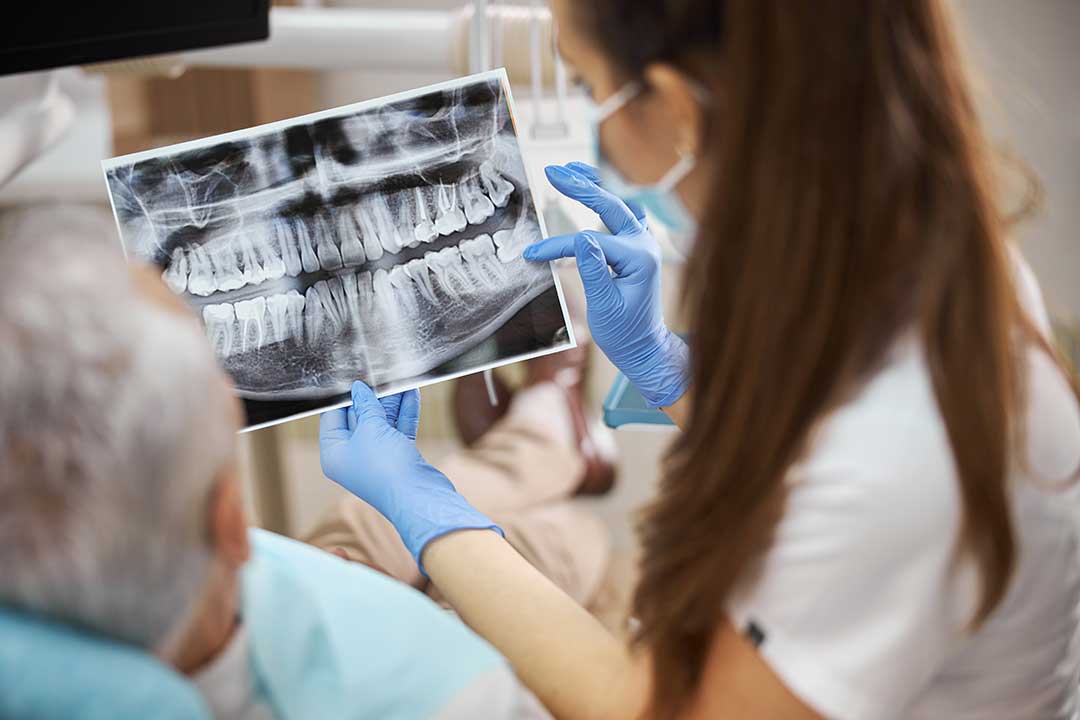
Yes. Staged care can make dental treatment feel more manageable. A first visit might focus on discussion, an examination, or diagnostic images rather than completing every recommended procedure. Later visits can address the most urgent problem first and divide other care into shorter appointments when clinically appropriate.
This approach is not about avoiding treatment indefinitely. It is about creating a sequence that allows the nervous system to adjust. Even a brief, successful visit can help replace an old expectation of danger with a more accurate experience.
Ask what will happen before, during, and after each procedure. Understanding the purpose of an X-ray, anesthetic, cleaning, filling, or extraction can make unfamiliar steps less alarming.
What if the main fear is pain?
Modern pain control can make many dental procedures significantly more comfortable, but numbness is not identical for every person. Tell the dental team if a previous injection did not work well, if you have unusually sensitive teeth, or if you still feel sharp pain during treatment.
Pressure, vibration, pulling, and sounds may still be noticeable even when the area is numb. These sensations are different from pain, but they can feel alarming if no one explains them in advance.
A useful plan includes agreeing that sharp pain should be reported immediately. Do not assume discomfort must be endured quietly. At the same time, avoid expecting every sensation to disappear; asking what is normal can help distinguish pressure or vibration from a problem that requires a pause.
Are sedation and medication options appropriate?
Sedation may help some people with moderate or severe dental anxiety, but it requires individual screening. Options can include inhaled sedation, oral medication, or intravenous sedation, depending on health history, treatment needs, provider training, and local safety requirements.
Sedation does not replace communication, local anesthetic, or informed consent. It can also affect alertness, breathing, blood pressure, memory, and the ability to drive. A responsible plan includes reviewing current medications, sleep-related breathing problems, pregnancy, allergies, heart or lung conditions, and previous reactions to sedatives.
For severe fear, repeated avoidance, panic symptoms, or trauma-related distress, cognitive behavioral therapy can be useful. A mental health professional familiar with anxiety or phobias may help address the thoughts and avoidance patterns that keep dental fear going.
When should fear be treated as an urgent health concern?
Fear should not prevent care when there is facial swelling, fever, uncontrolled bleeding, a serious tooth injury, difficulty swallowing, or trouble breathing. These symptoms can indicate infection or another urgent condition. Breathing difficulty or rapidly increasing swelling requires emergency evaluation.
Even without emergency symptoms, delaying care because of fear can allow a small problem to become more complicated. The earlier anxiety is discussed, the more opportunities there are to use shorter visits, clearer explanations, behavioral techniques, or appropriate medication support.
Feeling nervous does not disqualify anyone from receiving dental care. A practical plan, honest communication, predictable pauses, and gradual progress can make visits more tolerable for residents and families throughout the Baton Rouge community.