

 See My Latest Article on HelloNation

Dental fear can range from mild nervousness to an intense phobia that causes someone to avoid care even when pain, swelling, or a broken tooth is present. Recognizing the difference helps residents take practical steps before anxiety becomes a barrier to oral health.
What are the signs of dental phobia?
Dental phobia is more than simply disliking dental treatment. It involves a strong fear response that may feel difficult to control and may interfere with necessary care.
Common signs include:
- Feeling anxious, tense, or panicked for days or weeks before a dental visit
- Avoiding calls, reminders, or conversations about dental care
- Repeatedly canceling or postponing appointments
- Experiencing a racing heartbeat, sweating, shaking, nausea, dizziness, or shortness of breath
- Crying, feeling trapped, or becoming unable to sit in the dental chair
- Having fear triggered by dental smells, sounds, needles, instruments, or stories about treatment
- Delaying care until pain becomes severe
- Feeling intense embarrassment about the condition of the teeth
- Refusing treatment even when a dental problem is affecting eating, sleeping, work, or daily activities
A person does not need to experience every symptom to have a significant problem. Avoidance is often the clearest warning sign.
How is dental anxiety different from dental phobia?
Dental anxiety usually means feeling worried or uncomfortable but still being able to receive care. Dental phobia is more severe and may cause a person to avoid treatment altogether.
The terms are sometimes used interchangeably in everyday conversation, but the difference matters. Someone with anxiety may need reassurance, more explanation, and breaks. Someone with a phobia may need a gradual plan that addresses the fear itself, sometimes with help from a mental health professional.
Dental fear can develop after a painful or humiliating experience, but it does not always have a single obvious cause. Fear of needles, loss of control, sensitive gag reflexes, concerns about judgment, or anxiety in other medical settings may all contribute. A difficult childhood experience or hearing frightening stories from family members can also shape expectations.
What might dental phobia look like in everyday life?
Avoidance often begins subtly. A person may say that a cleaning is unnecessary, wait for a better time, or assume a minor tooth problem will resolve on its own. Over months or years, the delay can lead to more extensive decay, gum problems, infection, or tooth loss.
In Baton Rouge, seasonal routines may also affect dental habits. School schedules, summer travel, severe-weather preparations, and busy work periods can make it easy to keep postponing care. Anxiety may then be blamed on a crowded calendar when fear is the deeper obstacle.
Another overlooked sign is constant reassurance-seeking. Someone may repeatedly ask whether treatment will hurt, whether a procedure is really necessary, or whether a dental problem looks “bad.” Questions are reasonable, but repeated worry that prevents action may signal more than ordinary concern.
What should someone do before a dental visit?
The first step is to describe the fear plainly rather than minimizing it. A person can say, “I am very anxious about dental treatment,” and explain the specific trigger, such as needles, pain, gagging, sounds, or not knowing what will happen.
Helpful preparations include:
- Write down the main fears and questions before the visit.
- Request an explanation of each step before it happens.
- Agree on a simple hand signal that means “stop” or “pause.”
- Ask for short breaks during an examination or procedure.
- Bring a trusted support person if permitted.
- Choose a less rushed time of day when possible.
- Practice slow breathing, with a longer exhale than inhale.
- Avoid using alcohol or someone else’s medication to calm down.
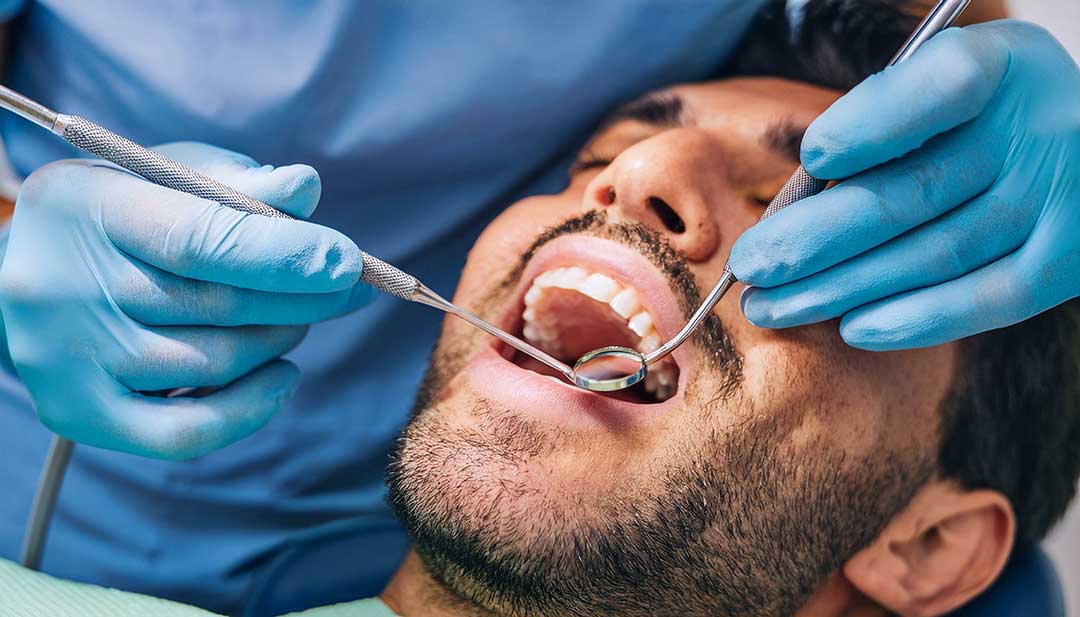
A consultation or examination focused only on discussion may feel more manageable than beginning with extensive treatment. Breaking care into smaller stages can help restore a sense of control.
Can dental treatment be made more comfortable?
Many parts of dental care can be adjusted, but comfort plans should be discussed in advance. Options may include topical numbing medication, local anesthesia, frequent pauses, noise reduction, distraction, or a slower pace.
Sedation may be appropriate for some patients, but it is not a cure for phobia and is not suitable for everyone. Medical history, current medications, pregnancy, breathing conditions, allergies, and transportation arrangements all matter. Sedation should be prescribed and monitored according to appropriate safety standards, and a patient should understand what to expect before agreeing to it.
A calm environment helps, but communication is just as important. A patient should be able to ask what is happening, signal for a pause, and receive a respectful response. Feeling heard can reduce the sense of helplessness that often intensifies dental fear.
When should someone seek help for the fear itself?
Consider mental health support when fear lasts for months, repeatedly prevents needed care, causes panic symptoms, or affects eating, sleep, work, relationships, or self-confidence. Cognitive behavioral therapy and gradual exposure are commonly used for specific phobias. These approaches help a person understand fearful thoughts and slowly face triggers in manageable steps.
Treatment does not require starting with the most frightening situation. A gradual plan might begin with discussing dental care, looking at neutral images, visiting a dental setting without treatment, or practicing relaxation techniques. Progress should be paced carefully rather than forced.
A primary care clinician or licensed mental health professional can also help determine whether dental fear is connected to a broader anxiety condition, trauma response, or panic disorder.
When is dental care urgent?
Fear should not delay care when there is facial swelling, fever, uncontrolled bleeding, difficulty swallowing, difficulty breathing, a serious injury, or severe worsening pain. These symptoms can indicate infection or another condition requiring prompt evaluation.
A person who is afraid can still tell the dental team about the phobia before treatment begins. Sharing the fear does not guarantee that every procedure will be easy, but it gives the care team information needed to discuss safer, more tolerable options.
Dental phobia is common, understandable, and treatable. The goal is not to force fear away instantly. It is to reduce avoidance, regain a sense of control, and move toward necessary care one manageable step at a time.